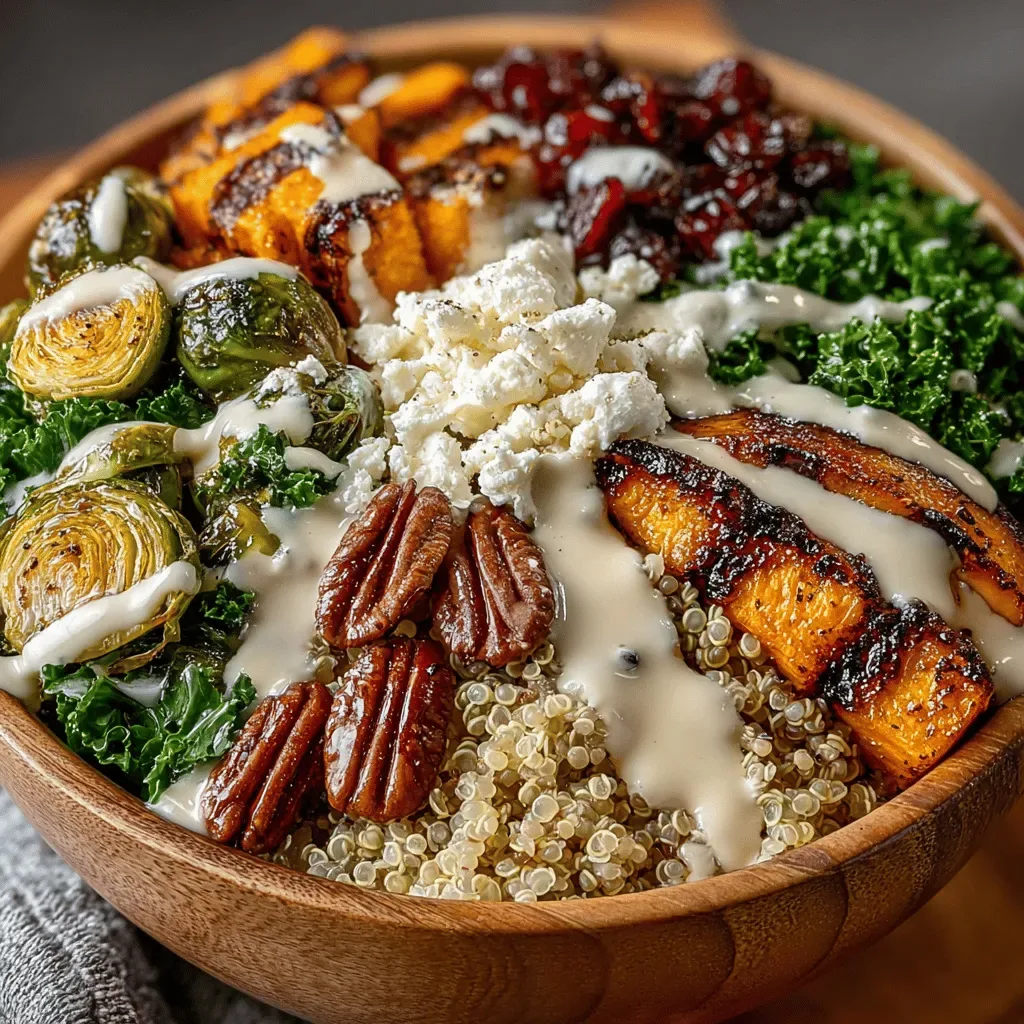
When the leaves turn amber and the air gets crisp, there’s a craving for meals that feel both comforting and vibrant. The Autumn Harvest Buddha Bowl answers that call with a harmonious blend of roasted root vegetables, hearty grains, and a silky maple‑tahini dressing that captures the essence of the season.
What makes this bowl truly special is the way each component retains its own identity while contributing to a cohesive flavor story—sweet carrots, earthy beets, nutty quinoa, and a touch of smoky pumpkin seeds all play together in perfect balance.
This dish is ideal for anyone who loves wholesome, plant‑forward meals—vegetarians, flexitarians, and busy families alike. Serve it for a relaxed weekend lunch, a nourishing dinner after a hike, or even as a colorful potluck centerpiece.
The preparation is straightforward: roast the vegetables, cook the grain, whisk the dressing, and assemble everything in a bowl. A quick toss and a final sprinkle of garnish turn simple ingredients into a restaurant‑quality plate.
Why You'll Love This Recipe
Seasonal Flavors: The natural sweetness of roasted carrots, parsnips, and beets pairs beautifully with the tangy maple‑tahini sauce, creating a taste that feels unmistakably autumn.
Nutritious Powerhouse: Packed with fiber‑rich quinoa, antioxidant‑laden veggies, and plant‑based protein from chickpeas, this bowl fuels your body without weighing you down.
Make‑Ahead Friendly: Each component can be pre‑cooked and stored separately, so assembling a bowl takes just minutes—even on the busiest weekday.
Eye‑Catching Presentation: The vibrant orange, deep red, and bright green hues create a visual feast that makes healthy eating feel like a celebration.
Ingredients
The foundation of this Buddha bowl is built on seasonal produce and wholesome grains. Quinoa provides a fluffy, protein‑rich base, while a medley of roasted root vegetables adds natural sweetness and earthiness. The maple‑tahini dressing ties everything together with a silky, slightly sweet, and nutty finish. A handful of pumpkin seeds and fresh herbs deliver crunch and brightness, ensuring each bite is texturally interesting and nutritionally balanced.
Base Grains
- 1 cup quinoa, rinsed
- 2 cups water or low‑sodium vegetable broth
Roasted Vegetables
- 2 medium carrots, peeled and sliced into ½‑inch sticks
- 2 small beets, peeled and cubed (≈1‑inch)
- 1 cup parsnips, peeled and cut into matchsticks
- 2 teaspoons olive oil
- ½ teaspoon smoked paprika
- Salt and freshly ground black pepper to taste
Protein & Crunch
- 1 (15‑oz) can chickpeas, drained and rinsed
- 1 tablespoon olive oil (for chickpeas)
- 2 tablespoons pumpkin seeds, toasted
Maple‑Tahini Dressing
- ¼ cup tahini
- 2 tablespoons pure maple syrup
- 2 teaspoons apple cider vinegar
- 1 small garlic clove, minced
- ¼ cup warm water (adjust for consistency)
- Pinch of sea salt
Garnish
- 2 tablespoons fresh parsley, chopped
- 1 tablespoon pomegranate seeds (optional)
These ingredients work together like a symphony. The quinoa’s mild nuttiness provides a neutral canvas, allowing the caramelized vegetables to shine. Chickpeas add protein and a satisfying crunch when lightly crisped, while pumpkin seeds contribute an extra layer of texture. The maple‑tahini dressing brings a creamy, sweet‑savory bridge that unifies every bite, and the fresh parsley and pomegranate seeds finish the bowl with a burst of brightness and a hint of tartness.
Step‑By‑Step Instructions
Cooking the Quinoa
Rinse the quinoa under cold water to remove its natural saponin coating, which can taste bitter. In a medium saucepan combine the rinsed quinoa with 2 cups of water or vegetable broth, bring to a boil, then reduce to a gentle simmer. Cover and cook for 15 minutes, or until the grains have absorbed all liquid and appear fluffy. Remove from heat and let it sit, covered, for 5 minutes before fluffing with a fork. This resting step ensures an even texture and prevents mushiness.
Roasting the Vegetables
- Preheat the oven. Set your oven to 425°F (220°C). A hot oven creates caramelization on the edges of the carrots, beets, and parsnips, intensifying their natural sweetness.
- Season the veg. Toss the sliced carrots, cubed beets, and parsnip matchsticks with 2 teaspoons olive oil, smoked paprika, salt, and pepper on a sheet pan. Ensure each piece is lightly coated for even browning.
- Roast. Spread the vegetables in a single layer and roast for 20‑25 minutes, turning halfway through. They’re done when tender inside and caramel‑brown on the edges; a fork should slide in with little resistance.
Crisping the Chickpeas
- Dry thoroughly. Pat the rinsed chickpeas completely dry with a clean kitchen towel. Moisture is the enemy of crispness; removing it allows the exterior to become golden.
- Season & oil. Toss the dried chickpeas with 1 tablespoon olive oil, a pinch of salt, and a dash of smoked paprika for a subtle depth.
- Roast. Spread them on a separate sheet pan and roast at 425°F for 15‑18 minutes, shaking the pan halfway. They should be crunchy on the outside yet tender inside.
Preparing the Maple‑Tahini Dressing
In a medium bowl whisk together tahini, maple syrup, apple cider vinegar, minced garlic, and a pinch of sea salt. Slowly drizzle in warm water while whisking until the sauce reaches a pourable, silky consistency—roughly the thickness of a light vinaigrette. Taste and adjust salt or sweetness as needed; the dressing should balance nutty, sweet, and tangy notes.
Assembling the Buddha Bowl
Divide the cooked quinoa among four serving bowls, creating a warm, fluffy base. Arrange the roasted carrots, beets, and parsnips in sections around the quinoa. Add a generous mound of crisp chickpeas and sprinkle toasted pumpkin seeds over the top. Drizzle the maple‑tahini dressing liberally, allowing it to pool slightly in the center. Finish with a scattering of fresh parsley and, if desired, pomegranate seeds for a pop of color and juicy tartness.
Tips & Tricks
Perfecting the Recipe
Dry the chickpeas. Use a clean kitchen towel or paper towels to remove every drop of water; this step is crucial for achieving maximum crispiness.
Uniform veggie cuts. Cutting carrots, beets, and parsnips to similar sizes ensures they roast evenly, preventing some pieces from over‑cooking while others remain underdone.
Flavor Enhancements
Add a splash of fresh lemon juice to the dressing right before serving for extra brightness. Sprinkle a pinch of smoked sea salt on the finished bowl to deepen the smoky notes. For a richer mouthfeel, swirl in a teaspoon of melted coconut oil into the warm dressing.
Common Mistakes to Avoid
Avoid overcrowding the baking sheets; crowded veggies steam instead of roast, losing their caramelized edges. Also, don’t over‑whisk the dressing—excessive air incorporation can make it too thin; stop whisking once a smooth, pourable consistency is reached.
Pro Tips
Batch‑cook the quinoa. Cook a larger batch and store in the fridge; it reheats quickly and can be used for other bowls or salads throughout the week.
Use a cast‑iron skillet for chickpeas. The heavy bottom distributes heat evenly, giving you an ultra‑crisp exterior without burning.
Toast spices. Lightly toast smoked paprika and any other dry spices in a dry pan for 30 seconds before adding to the vegetables; this unlocks deeper aroma.
Finish with fresh herbs. Adding parsley or cilantro at the very end preserves their vibrant color and fresh flavor, preventing wilting.
Variations
Ingredient Swaps
Feel free to replace quinoa with farro, brown rice, or millet for a different texture. Swap roasted beets for sweet potatoes or butternut squash when they’re in season. For protein, use grilled tempeh, baked tofu, or even shredded rotisserie chicken. If you prefer a sweeter dressing, substitute maple syrup with orange‑blossom honey or agave nectar.
Dietary Adjustments
To keep the bowl gluten‑free, ensure the broth and any packaged spices are certified gluten‑free. For a vegan version, replace honey with maple syrup (already done) and use a plant‑based oil for roasting. Keto diners can swap quinoa for cauliflower rice and use a low‑carb sweetener like erythritol in the dressing.
Serving Suggestions
Pair the bowl with a simple side of miso‑glazed edamame or a crisp cucumber‑radish salad dressed with rice vinegar. For extra heartiness, serve alongside a warm slice of whole‑grain flatbread or a small bowl of lentil soup. A dollop of plain Greek yogurt (or coconut yogurt for vegan) adds a cooling contrast to the sweet‑savory flavors.
Storage Info
Leftover Storage
Allow the bowl to cool to room temperature, then transfer each component into separate airtight containers to preserve texture—quinoa in one, roasted veggies in another, and chickpeas in a third. Store in the refrigerator for up to 4 days. If you need longer storage, freeze the quinoa and roasted vegetables in portion‑sized bags for up to 3 months; the chickpeas retain their crunch best when kept refrigerated.
Reheating Instructions
Reheat the quinoa and roasted vegetables in a 350°F (175°C) oven for 10‑12 minutes, loosely covered with foil to prevent drying. For a quicker option, microwave each component on medium power for 1‑2 minutes, stirring halfway. Add a splash of fresh dressing after reheating to restore moisture and brightness.
Frequently Asked Questions
This Autumn Harvest Buddha Bowl brings together the season’s best produce, wholesome grains, and a luscious maple‑tahini drizzle in a single, satisfying bowl. By following the step‑by‑step guide, you’ll achieve perfectly roasted vegetables, fluffy quinoa, and crispy chickpeas every time. Feel free to swap ingredients, adjust seasonings, or add your own favorite toppings—cooking is an invitation to experiment. Serve warm, enjoy the comforting flavors, and let the bowl become a staple of your fall kitchen. Happy eating! (87 words)