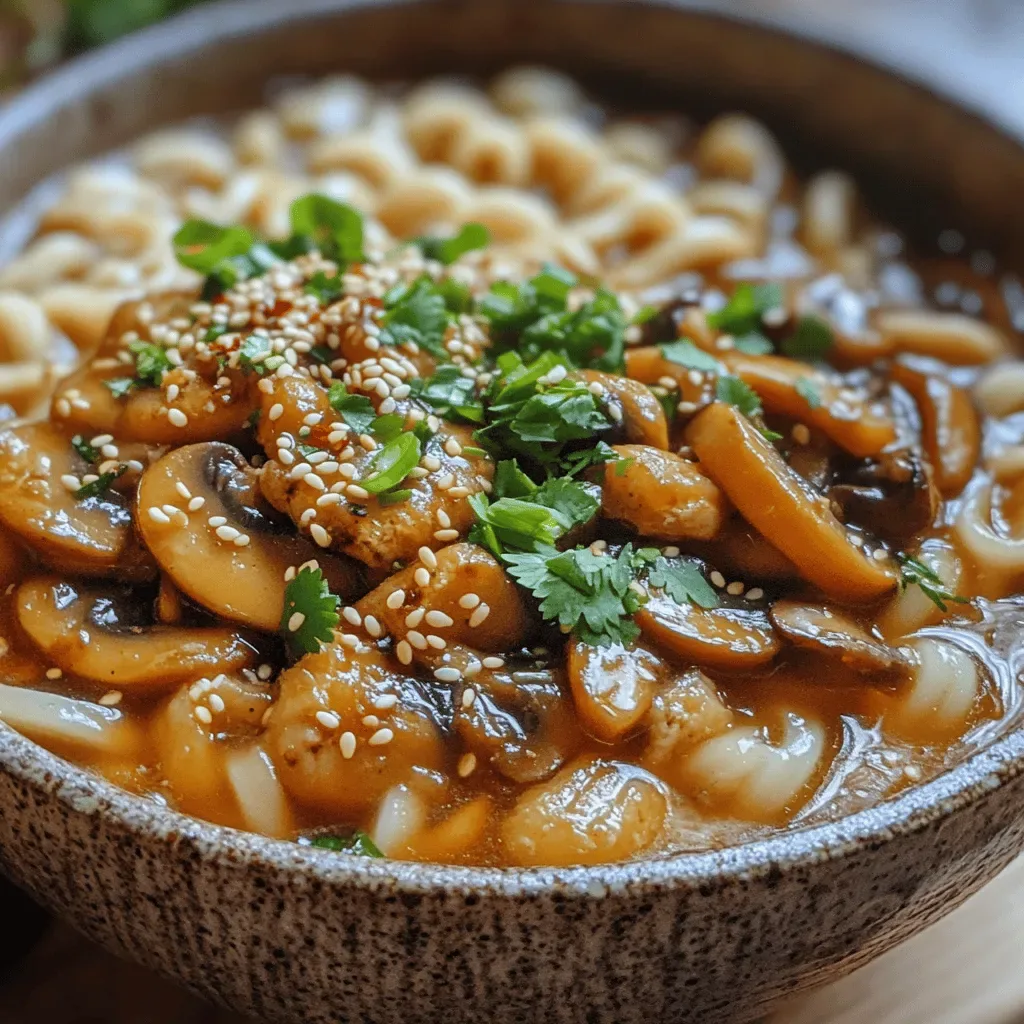
Imagine a bowl that captures the earthy depth of miso, the umami punch of mushrooms, and the comforting chew of thick udon noodles—all in one harmonious bite. Earthy Miso Mushroom Udon is that bowl, a culinary journey that transports you straight to a cozy Japanese izakaya without leaving your kitchen.
What makes this dish truly special is the balance between the savory miso‑based broth and the natural woodsy flavor of mixed mushrooms, amplified by a whisper of ginger and garlic. The broth clings to each strand of udon, delivering a silky, satisfying mouthfeel.
This recipe will delight mushroom lovers, noodle enthusiasts, and anyone craving a warm, nourishing dinner. It’s perfect for weeknight meals, casual gatherings, or a comforting solo dinner after a long day.
The cooking process is straightforward: sauté aromatics, build a miso‑infused broth, briefly simmer the mushrooms, toss in cooked udon, and finish with fresh garnishes. In less than 45 minutes you’ll have a bowl brimming with depth and texture.
Why You'll Love This Recipe
Deep Umami Flavor: The combination of miso, soy sauce, and mushroom broth creates a layered taste that feels both comforting and sophisticated, satisfying even the most discerning palate.
Quick Weeknight Solution: With a prep time of just 20 minutes and a total cook under 45 minutes, this dish fits perfectly into busy schedules without sacrificing flavor.
Vegetarian‑Friendly Core: The star ingredients are mushrooms and noodles, making the base naturally vegetarian while still delivering a hearty, protein‑rich experience.
Customizable Garnishes: From toasted sesame seeds to a drizzle of chili oil, the finishing touches let you tailor heat, crunch, and aroma to your exact taste.
Ingredients
For this bowl, I rely on a handful of pantry staples and fresh mushrooms to build depth. Thick udon noodles provide the chewy backbone, while a blend of shiitake and cremini mushrooms adds earthiness. The miso‑soy‑mirin broth delivers the signature umami, and aromatics like garlic, ginger, and scallions brighten the flavor profile. Simple seasonings and optional chili oil let you finish with texture and a hint of heat.
Main Ingredients
- 400 g thick udon noodles
- 200 g shiitake mushrooms, sliced
- 200 g cremini mushrooms, sliced
- 1 small onion, thinly sliced
Broth & Sauce
- 2 cups vegetable broth
- 2 tablespoons white miso paste
- 1 tablespoon soy sauce (or tamari)
- 1 tablespoon mirin
- 1 teaspoon sesame oil
Seasonings & Garnish
- 2 cloves garlic, minced
- 1 tablespoon fresh ginger, grated
- 2 green onions, sliced (plus extra for garnish)
- 1 tablespoon toasted sesame seeds
- ½ teaspoon chili oil (optional)
- Salt and freshly ground black pepper, to taste
- 1 tablespoon vegetable oil for sautéing
The umami‑rich miso and soy blend with the natural savor of mushroom broth, creating a sauce that clings lovingly to each udon strand. Aromatics such as garlic, ginger, and onion add brightness, while sesame oil and toasted seeds contribute a nutty finish. Together these components produce a bowl that is hearty, balanced, and endlessly satisfying.
Step-by-Step Instructions
Preparing the Noodles
Bring a large pot of salted water to a rolling boil. Add the udon noodles and cook according to package directions—usually 3–4 minutes for fresh noodles—until they are just tender but still have a firm bite. Drain, rinse briefly under cold water to stop cooking, and set aside. This step ensures the noodles retain their chewy texture when later tossed in the broth.
Building the Umami Broth
- Sauté aromatics. Heat 1 tablespoon vegetable oil in a wide skillet over medium heat. Add the sliced onion, minced garlic, and grated ginger. Cook, stirring occasionally, for 2–3 minutes until the onion becomes translucent and the aromatics are fragrant but not browned.
- Introduce mushrooms. Add the sliced shiitake and cremini mushrooms to the pan. Stir and let them sauté for 5–6 minutes, allowing the moisture to evaporate and the edges to caramelize, which deepens the earthy flavor.
- Deglaze and add liquids. Pour in 2 cups vegetable broth, 1 tablespoon mirin, and a splash of 1 tablespoon sake (optional). Scrape the browned bits from the bottom of the pan; they are flavor gold.
- Incorporate miso and soy. Reduce heat to low and whisk in 2 tablespoons white miso paste until fully dissolved. Add 1 tablespoon soy sauce and 1 teaspoon sesame oil. Simmer gently for 3 minutes, allowing the broth to thicken slightly.
- Season. Taste and adjust with salt, pepper, and a pinch of sugar or honey if you prefer a subtle sweetness. If you enjoy heat, stir in ½ teaspoon chili oil now.
Assembling the Bowl
Add the cooked udon noodles directly into the skillet, tossing to coat each strand with the fragrant broth. Let the noodles sit for a minute, soaking up the miso‑mushroom essence. Remove from heat, divide the noodle‑broth mixture among four serving bowls, and garnish with sliced green onions, toasted sesame seeds, and an extra drizzle of chili oil if desired. Serve immediately for the best texture and flavor.
Tips & Tricks
Perfecting the Recipe
Use fresh udon. Fresh or refrigerated udon retains its chewy texture better than dried varieties, which can become gummy if over‑cooked.
Don’t over‑simmer miso. Keep the broth at a gentle simmer after adding miso; boiling can diminish its delicate flavor and aroma.
Pre‑slice mushrooms. Thin, uniform slices cook evenly and release maximum umami without becoming soggy.
Flavor Enhancements
Finish each bowl with a splash of fresh lemon juice for bright acidity, or stir in a spoonful of nutty peanut butter for a creamy twist. A pinch of shichimi togarashi adds complex heat without overwhelming the miso base.
Common Mistakes to Avoid
Avoid adding miso directly to a boiling pot; the high heat can make it taste flat. Also, don’t rinse the cooked udon too vigorously—excess water washes away the starch that helps the broth cling to the noodles.
Pro Tips
Make a miso slurry. Dissolve miso in a small amount of warm broth before adding it to the pan; this prevents clumps and ensures even distribution.
Reserve broth. Keep a cup of extra vegetable broth on hand to adjust consistency if the sauce thickens too quickly.
Toast sesame seeds. Lightly toast them in a dry pan for 2 minutes until golden; this unlocks a richer, nuttier aroma.
Variations
Ingredient Swaps
Substitute the udon with soba or ramen noodles for a different texture. Swap shiitake for oyster or enoki mushrooms to vary the earthy profile. For a protein boost, add sliced tofu, tempeh, or thinly sliced beef. A drizzle of truffle oil can elevate the dish for special occasions.
Dietary Adjustments
For gluten‑free diners, use certified gluten‑free soy sauce (tamari) and rice noodles instead of udon. To keep it vegan, ensure the miso is fermented without animal products and replace honey with agave syrup. Low‑carb lovers can serve the broth over cauliflower rice or shirataki noodles.
Serving Suggestions
Pair the bowl with a crisp cucumber‑sesame salad, pickled radish, or a side of steamed edamame. A small dish of kimchi adds tangy contrast, while a warm miso‑based soup rounds out a comforting Japanese‑inspired meal.
Storage Info
Leftover Storage
Allow the bowl to cool to room temperature, then transfer noodles and broth to separate airtight containers. Store in the refrigerator for up to 3 days. If you plan to keep longer, freeze the broth in portion‑size bags and the cooked noodles on a flat tray before bagging; they’ll last up to 2 months.
Reheating Instructions
Reheat the broth in a saucepan over medium heat until gently simmering, then add the noodles for the last 2 minutes to prevent over‑cooking. For a quick microwave fix, combine broth and noodles in a microwave‑safe bowl, cover, and heat on medium power for 2–3 minutes, stirring halfway through.
Frequently Asked Questions
This Earthy Miso Mushroom Udon brings together deep umami, comforting noodles, and vibrant garnishes in a dish that’s both elegant and approachable. By following the step‑by‑step guide, mastering the broth, and using the tips provided, you’ll achieve a restaurant‑quality bowl at home. Feel free to experiment with swaps, adjust the heat, or add your favorite toppings—cooking is your canvas. Dive in, savor each spoonful, and enjoy the warm, earthy flavors that make this recipe unforgettable.